The Two O’Clock Sisters of Santiago de Compostela
Every afternoon at two, Maruxa and Coralia Fandiño went for a walk. Santiago remembers their bright dresses and their punctuality. A grocer on their route might have told you another side of the story.
By Lisbon Gems Tours
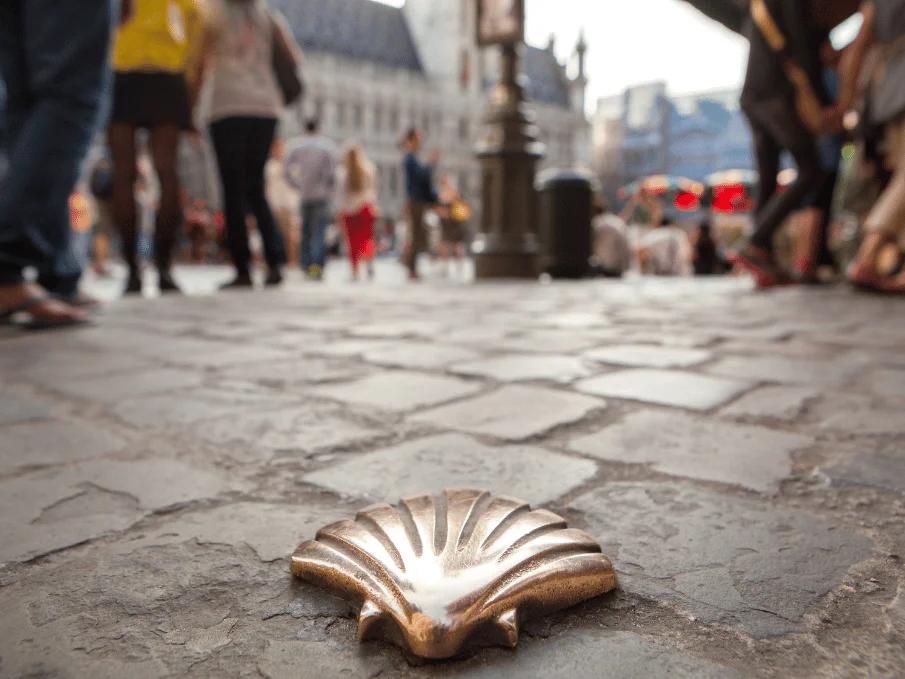
In Santiago de Compostela, two o’clock used to have another meaning. It was the hour when Maruxa and Coralia Fandiño would appear in the old town, dressed in vivid colours, their make-up carefully done, and take their usual walk to the Alameda. People called them Las dos en punto. In English, the nickname loses half the joke. In Spanish, it means both “two o’clock sharp” and, if you have the sisters in mind, “the two of them, right on time.” santiagoturismo.com
The sisters were seamstresses. Their mother had sewn for a living too, and their father was a cobbler. When the Spanish Civil War broke out in 1936, three of their brothers were active in the anarchist movement. The family suffered reprisals and lost its livelihood. Maruxa and Coralia lived with the consequences for the rest of their lives. santiagoturismo.com
One of the people who understood their circumstances was a local grocer. As the story is told in Galicia, he would give the sisters food and explain that the supplier was running a promotion. It was a small courtesy, and a rather ingenious one. They could take something home without having to tell a shopkeeper how little they had. Years later, when a storm tore the roof off their house, their neighbours raised the money to repair it. Tourism of Galicia
If you have walked the Portuguese Camino to Santiago, save one more walk for the afternoon. Leave the old town by Porta Faxeira and head into the Alameda. At the entrance stands César Lombera’s sculpture of the sisters, installed in 1994. Look at their hands. Maruxa reaches out towards the path. Coralia holds her sister’s arm and carries a folded umbrella. The sculptor took the pose from a photograph of the two women together. santiagoturismo.com
Go at two, if you can. It’s a good time to meet them.
Previous article
No earlier article available.
Next article
A Receita Secreta Que Foi Guardada por Quase 200 Anos
Por trás de cada Pastel de Belém, esconde-se uma história notável de monges, história real, mudança política e um dos segredos culinários melhor guardados de Portugal. Descubra como uma receita centenária sobreviveu à revolução para se tornar na pastelaria mais icónica do país.
More from the journal
Other stories you might like
Misticismo & Conto de Fadas
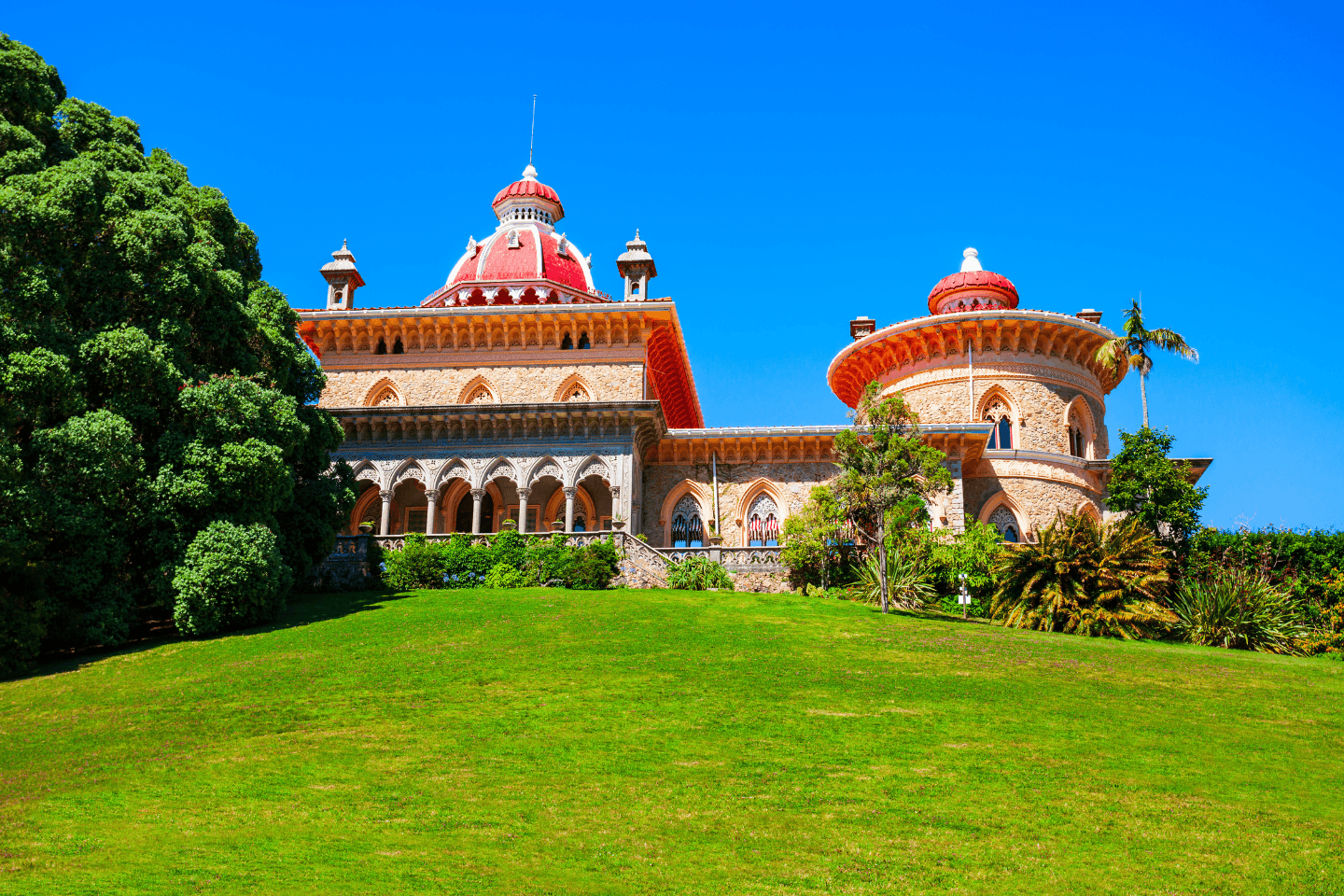
Palácio de Monserrate: Onde Reis, Milionários e Escritores Encontraram Inspiração
Muito antes de se tornar um dos palácios mais belos de Sintra, Monserrate recebeu poetas, aristocratas e visionários de toda a Europa. Descubra a história notável da propriedade que inspirou Lord Byron, foi transformada por um rico coleccionador britânico e se tornou uma das maiores obras-primas românticas de Portugal.

Nossa Alma
Carlos Paredes: O Homem Que Fez a Guitarra Portuguesa Falar
Carlos Paredes transformou a guitarra portuguesa num dos instrumentos mais expressivos do mundo. Através de um talento extraordinário, resiliência e um amor profundo por Portugal, ele criou música que ainda ecoa pelas ruas de Lisboa, carregando a alma de uma nação sem precisar de uma única palavra
Patrimônio
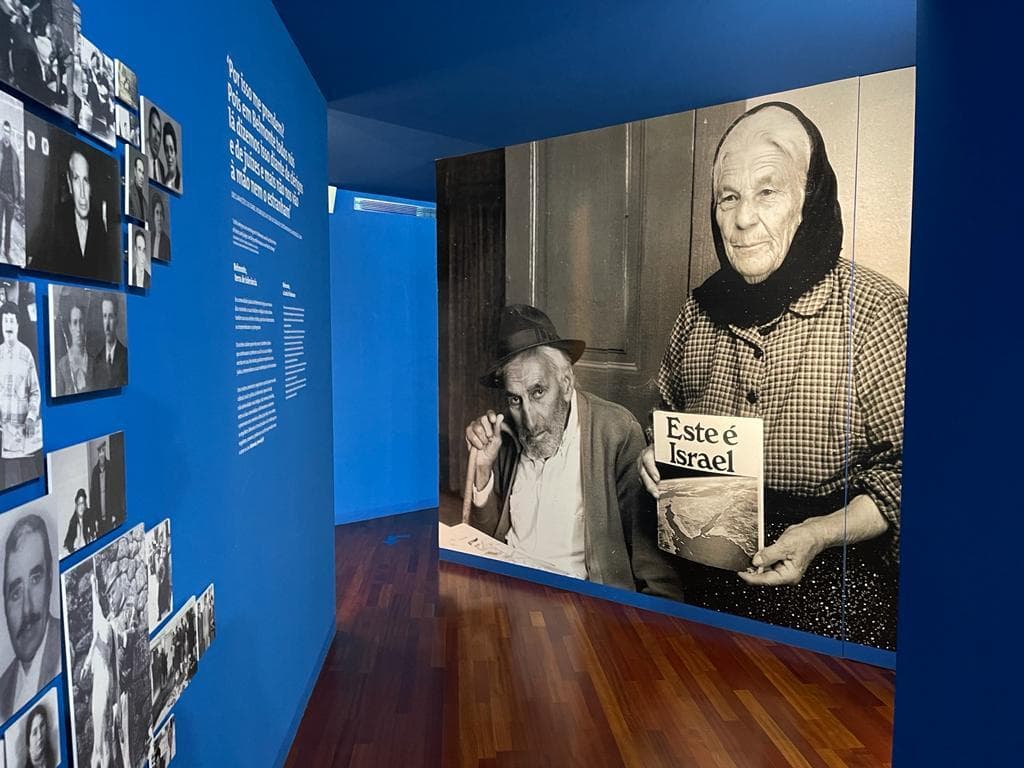
Os Judeus Escondidos de Belmonte: Uma Fé Preservada em Segredo
Durante quase cinco séculos, as famílias judias de Belmonte protegeram sua fé atrás de portas fechadas. Forçadas a parecer cristãs, elas preservaram orações, rituais e identidade em segredo, passando-as de uma geração para a outra. Sua sobrevivência é um dos capítulos mais extraordinários da história judaica de Portugal.