Carlos Paredes: The Man Who Made the Portuguese Guitar Speak
Carlos Paredes transformed the Portuguese guitar into one of the world's most expressive instruments. Through extraordinary talent, resilience, and a deep love for Portugal, he created music that still echoes through Lisbon's streets, carrying the soul of a nation without ever needing a single word
By Lisbon Gems Tours
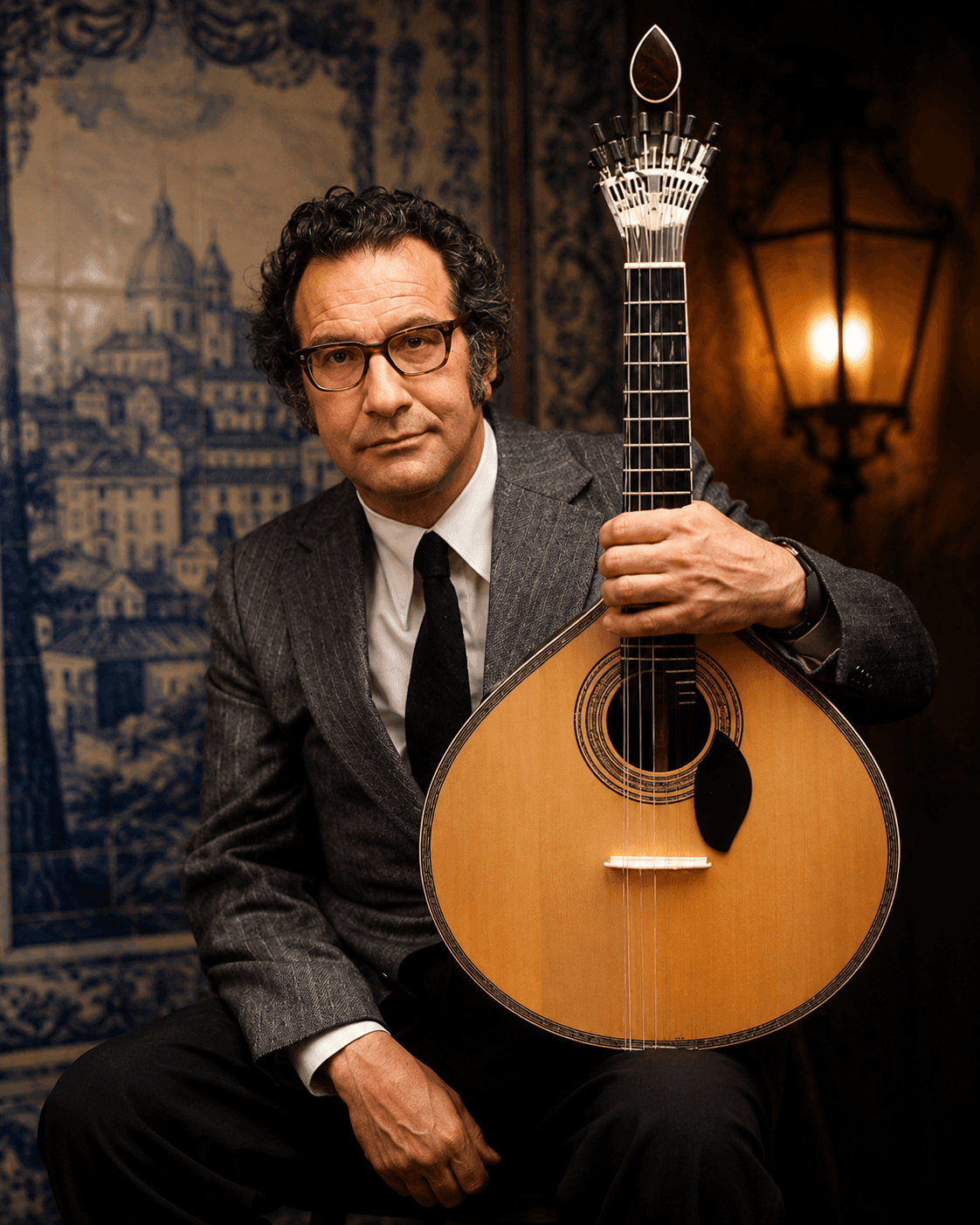
When people think of Portuguese music, they often think of Fado. But behind many of Portugal's most emotional melodies stands one extraordinary man: Carlos Paredes.
Born in Coimbra in 1925 into a family of renowned guitarists, Paredes inherited generations of musical tradition. His father, Artur Paredes, had already revolutionised the Portuguese guitar, but Carlos would take the instrument to a level never imagined.
Unlike traditional Fado musicians, Carlos Paredes rarely needed a singer. His guitar became the voice itself.
Each performance felt like a conversation between Portugal's history, its landscapes, and its people. Delicate, powerful, joyful, melancholic—his music could express emotions that words often failed to capture.
Yet his life was not without hardship.
During Portugal's dictatorship, Paredes opposed the regime and was imprisoned by the political police, PIDE, in 1958. He spent almost two years in prison and lost his job as a hospital clerk. Even in those difficult years, he never abandoned his music. The Portuguese guitar became both his refuge and his quiet form of resistance.
Following the Carnation Revolution in 1974, Carlos Paredes became a symbol of freedom and Portuguese identity. His compositions reached audiences around the world, yet he remained remarkably humble, often describing himself simply as someone who loved playing the guitar.
His masterpiece, Verdes Anos, composed for Paulo Rocha's 1963 film of the same name, remains one of Portugal's most recognisable musical works. With just six strings, Paredes painted the hopes, dreams, and contradictions of a country entering a new era.
Today, his music continues to accompany travellers walking through Lisbon's historic neighbourhoods. It is heard in concert halls, cultural centres, and quiet corners of Alfama, where the Portuguese guitar still carries the unmistakable sound of Portugal.
Carlos Paredes did more than master an instrument.
He gave the Portuguese guitar its own voice.
And through that voice, he told the story of an entire nation.
Previous article
Monserrate Palace: Where Kings, Millionaires and Writers Found Inspiration
Long before it became one of Sintra's most beautiful palaces, Monserrate welcomed poets, aristocrats, and visionaries from across Europe. Discover the remarkable story of the estate that inspired Lord Byron, was transformed by a wealthy British collector, and became one of Portugal's greatest Romantic masterpieces.
Next article
The Hidden Jews of Belmonte: A Faith Preserved in Secret
For almost five centuries, the Jewish families of Belmonte protected their faith behind closed doors. Forced to appear Christian, they preserved prayers, rituals, and identity in secrecy, passing them from one generation to the next. Their survival is one of the most extraordinary chapters of Portugal’s Jewish history.
More from the journal
Other stories you might like

Itinerary Design
The Secret Recipe That Has Been Guarded for Nearly 200 Years
Behind every Pastel de Belém lies a remarkable story of monks, royal history, political change, and one of Portugal's best-kept culinary secrets. Discover how a centuries-old recipe survived revolution to become the country's most iconic pastry.
Family Travel
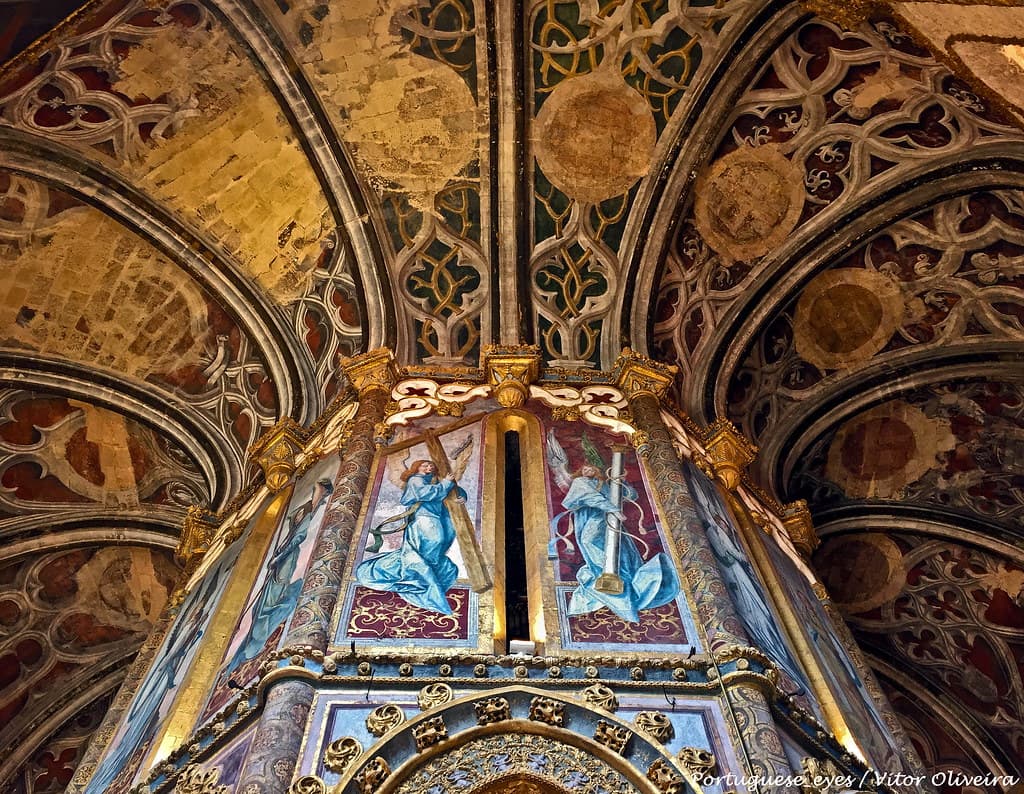
The Knights Who Never Disappeared: How the Templars Survived in Portugal
Across Europe, the Knights Templar were arrested, persecuted, and officially dissolved. In Portugal, however, their story followed a different path. Protected by King Dinis, their legacy was transferred to the Order of Christ and later became connected to the voyages that carried Portugal across the oceans.
Day Journeys
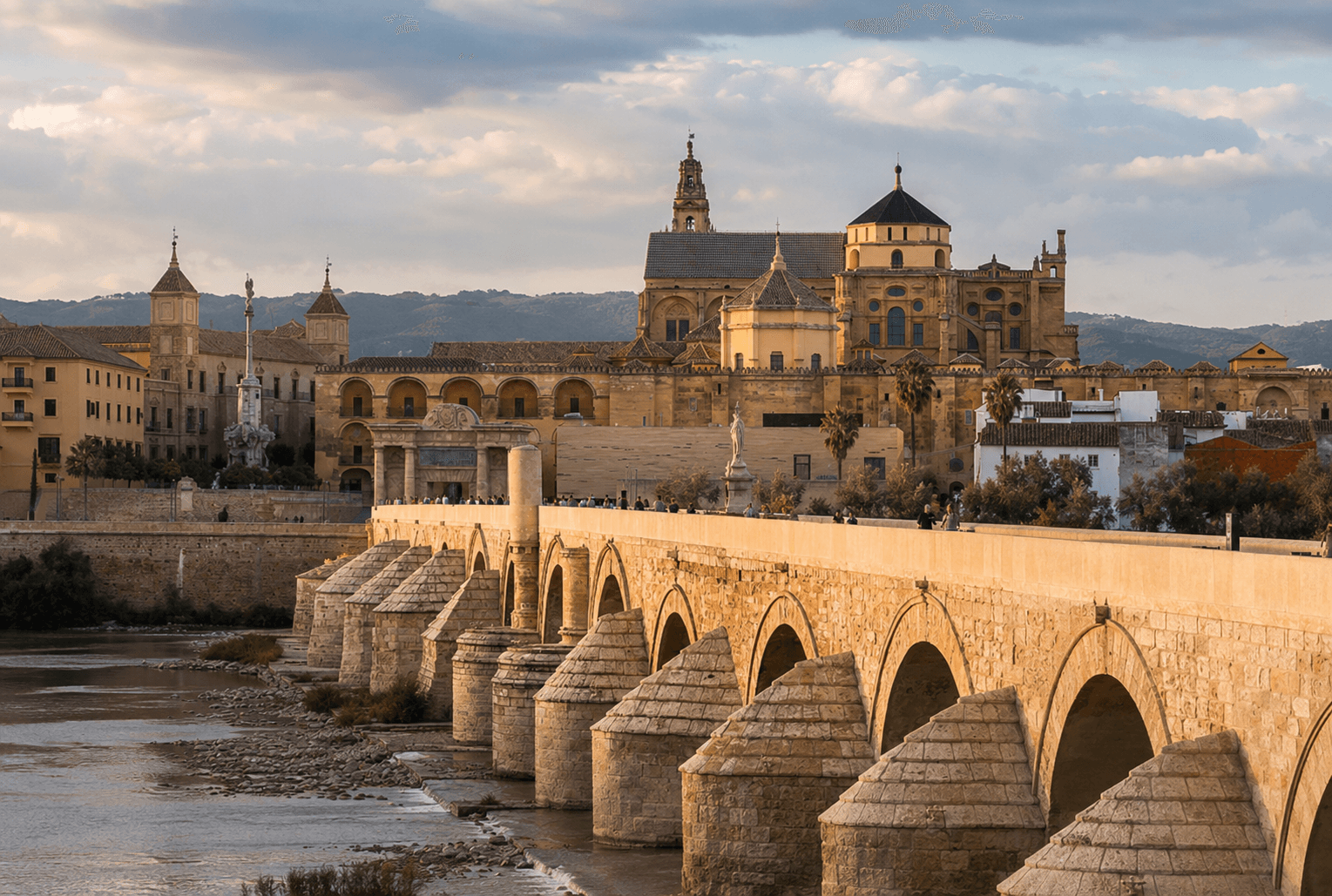
Córdoba: Where Three Faiths Shaped One Extraordinary City
Once the brilliant capital of Islamic al-Andalus, Córdoba became a meeting point for Muslim, Jewish, and Christian traditions. Its mosques, synagogues, palaces, and hidden courtyards reveal a complex story of knowledge, coexistence, rivalry, and transformation that still defines the city today.