The Hidden Jews of Belmonte: A Faith Preserved in Secret
For almost five centuries, the Jewish families of Belmonte protected their faith behind closed doors. Forced to appear Christian, they preserved prayers, rituals, and identity in secrecy, passing them from one generation to the next. Their survival is one of the most extraordinary chapters of Portugal’s Jewish history.
By Lisbon Gems Tours
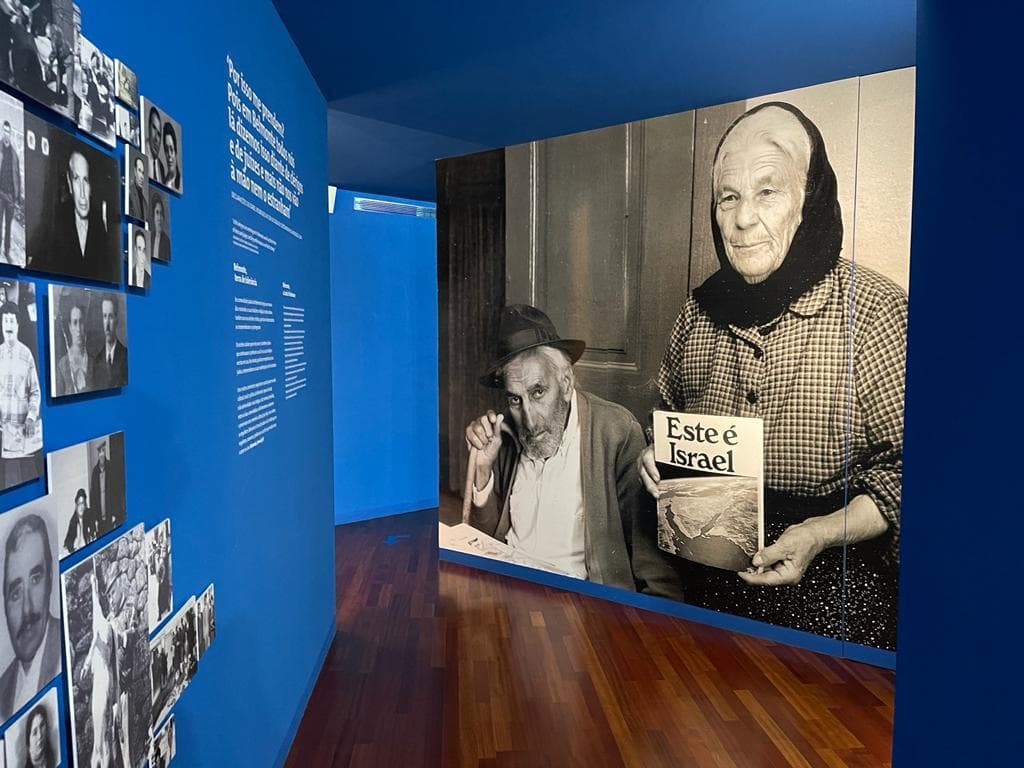
In the mountains of central Portugal lies the small town of Belmonte, a peaceful place of granite houses, narrow streets, and distant views over the Serra da Estrela.
At first glance, there is little to suggest that this quiet town was home to one of Europe’s most remarkable hidden Jewish communities.
For centuries, the Jewish families of Belmonte lived between two identities. Publicly, they appeared to be Christian. Privately, inside their homes and away from suspicious eyes, they continued to preserve fragments of their Jewish faith.
Their story is one of fear, secrecy, courage, and extraordinary survival.
A community forced into hiding
Jewish communities had lived in Portugal for centuries, contributing to medicine, science, commerce, navigation, and intellectual life.
The situation changed dramatically at the end of the 15th century. After the expulsion of the Jews from Spain in 1492, many crossed the border into Portugal seeking safety.
But in 1496, King Manuel I ordered Portuguese Jews to convert to Christianity or leave the country. In practice, many were forcibly baptised in 1497 and became known as New Christians.
Some accepted Christianity. Others continued to practise Judaism in secret.
These hidden practitioners are commonly called Crypto-Jews. The historical term Marranos was also used, although it could be insulting and is therefore best handled carefully today.
In Belmonte, a small group withdrew into a world of silence and discretion. Their survival depended on appearing fully Christian while protecting their real beliefs within the family.
Faith without synagogues or rabbis
The Crypto-Jews of Belmonte had no synagogue, no rabbi, and very few written religious texts.
Openly possessing Hebrew books or observing Jewish rituals could attract the attention of neighbours or the Portuguese Inquisition. As a result, their faith became largely oral.
Prayers were remembered rather than written.
Traditions were adapted so that outsiders would not recognise them.
Rituals were often performed in cellars, bedrooms, or behind shuttered windows. Some observances were moved away from their correct dates to reduce the danger of discovery.
Over time, certain practices changed or disappeared. Yet the central sense of Jewish identity survived.
The women who protected the tradition
One of the most moving elements of the Belmonte story is the role played by women.
For generations, mothers and grandmothers became the guardians of the community’s hidden faith. They taught prayers, prepared ritual foods, kept family customs alive, and decided when children were old enough to learn the truth about their ancestry.
This secrecy was essential.
A child who spoke carelessly at school, in church, or in front of neighbours could place the entire family at risk. Jewish identity was therefore revealed gradually and only to those considered mature enough to protect it.
Without formal religious institutions, the home became the synagogue—and the women became the keepers of memory.
Living as Christians in public
The families of Belmonte participated outwardly in Catholic society.
They were baptised, married in church, attended Christian ceremonies, and were buried according to public custom. Yet inside their homes, they preserved a different spiritual identity.
This double life continued long after the Portuguese Inquisition ended in 1821.
Secrecy had become more than a response to persecution. It had become a deeply rooted way of protecting the community.
For centuries, many families married within a small circle of trusted households, helping ensure that the secret remained protected.
Rediscovered after centuries
In 1917, the Polish-Jewish mining engineer Samuel Schwarz encountered the hidden community of Belmonte.
At first, the families distrusted him. Their ancestors had survived by refusing to speak openly, and a stranger asking questions about Judaism naturally caused fear.
According to the traditional account, trust began to grow when Schwarz recited the Shema, one of Judaism’s central prayers. An elderly woman recognised words that had been preserved in a different form within the community.
The encounter helped reconnect the Jews of Belmonte with the wider Jewish world after centuries of isolation.
From secrecy to public worship
During the 20th century, the community gradually began to practise Judaism more openly.
Contact with Jewish organisations and communities abroad helped restore religious knowledge that had been lost during generations of isolation.
The Bet Eliahu Synagogue opened in Belmonte in 1996, allowing public Jewish worship to return to the town.
In 2005, the Jewish Museum of Belmonte opened to preserve the history of the community and explain how religious traditions survived under persecution. Its exhibitions focus not merely on the past, but on a living community that continues to understand and practise Judaism in the present.
More than a story of persecution
The history of Belmonte is painful, but it is not only a story of suffering.
It is a story of resilience.
For almost five hundred years, families protected an identity that the outside world had tried to erase. They preserved prayers without books, traditions without teachers, and faith without public places of worship.
Their Judaism changed through isolation, but it did not disappear.
Today, visitors can walk through Belmonte’s former Jewish quarter, visit the synagogue and museum, and encounter one of the most remarkable surviving chapters of Sephardic history.
The story of the Jews of Belmonte reminds us that heritage does not survive only in monuments.
Sometimes, it survives in whispered prayers, family recipes, carefully guarded rituals, and the courage to remember who you are.
Previous article
Carlos Paredes: The Man Who Made the Portuguese Guitar Speak
Carlos Paredes transformed the Portuguese guitar into one of the world's most expressive instruments. Through extraordinary talent, resilience, and a deep love for Portugal, he created music that still echoes through Lisbon's streets, carrying the soul of a nation without ever needing a single word
Next article
The Knights Who Never Disappeared: How the Templars Survived in Portugal
Across Europe, the Knights Templar were arrested, persecuted, and officially dissolved. In Portugal, however, their story followed a different path. Protected by King Dinis, their legacy was transferred to the Order of Christ and later became connected to the voyages that carried Portugal across the oceans.
More from the journal
Other stories you might like

Itinerary Design
The Secret Recipe That Has Been Guarded for Nearly 200 Years
Behind every Pastel de Belém lies a remarkable story of monks, royal history, political change, and one of Portugal's best-kept culinary secrets. Discover how a centuries-old recipe survived revolution to become the country's most iconic pastry.
Mysticism & Farytale
Monserrate Palace: Where Kings, Millionaires and Writers Found Inspiration
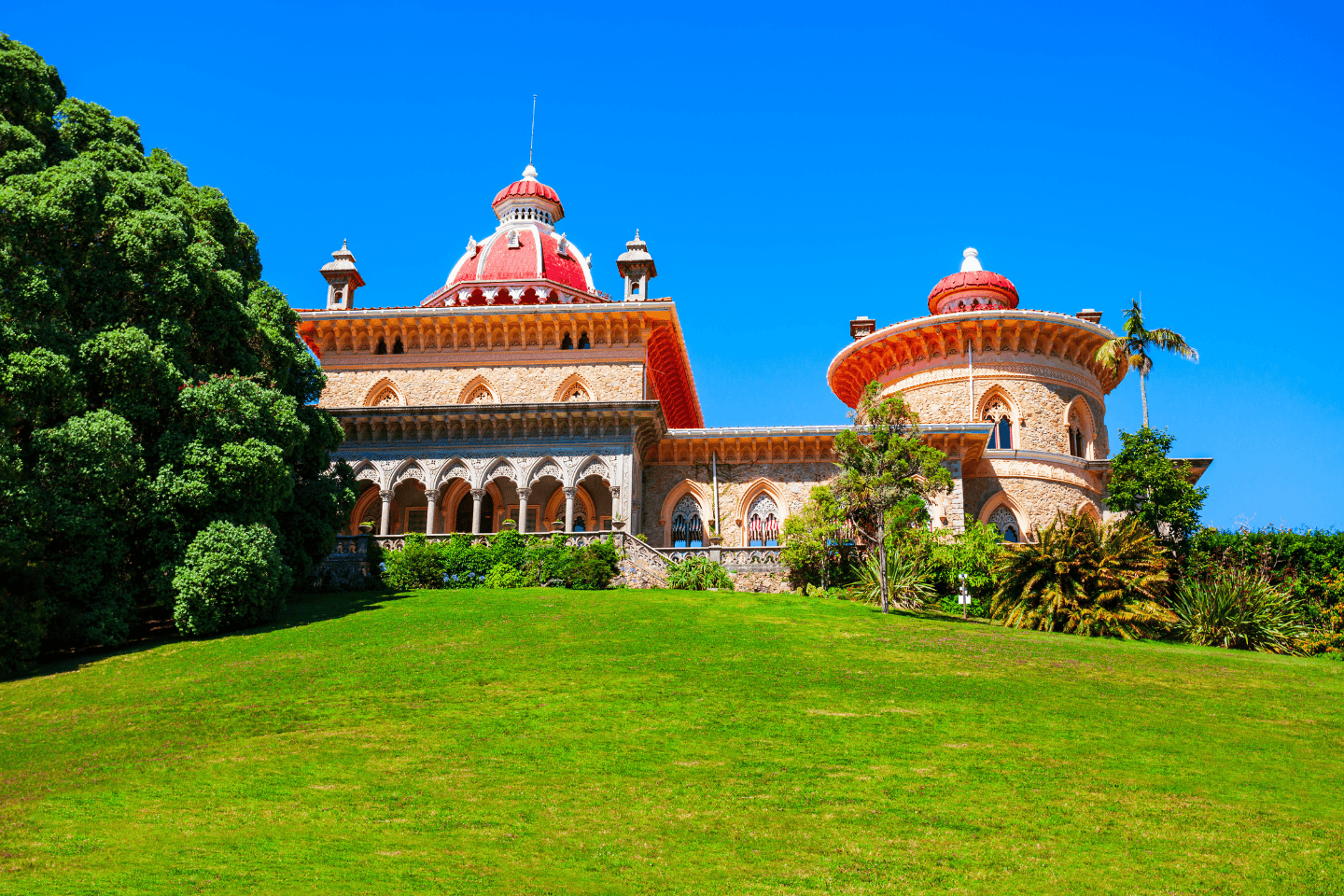
Long before it became one of Sintra's most beautiful palaces, Monserrate welcomed poets, aristocrats, and visionaries from across Europe. Discover the remarkable story of the estate that inspired Lord Byron, was transformed by a wealthy British collector, and became one of Portugal's greatest Romantic masterpieces.
Day Journeys
Córdoba: Where Three Faiths Shaped One Extraordinary City
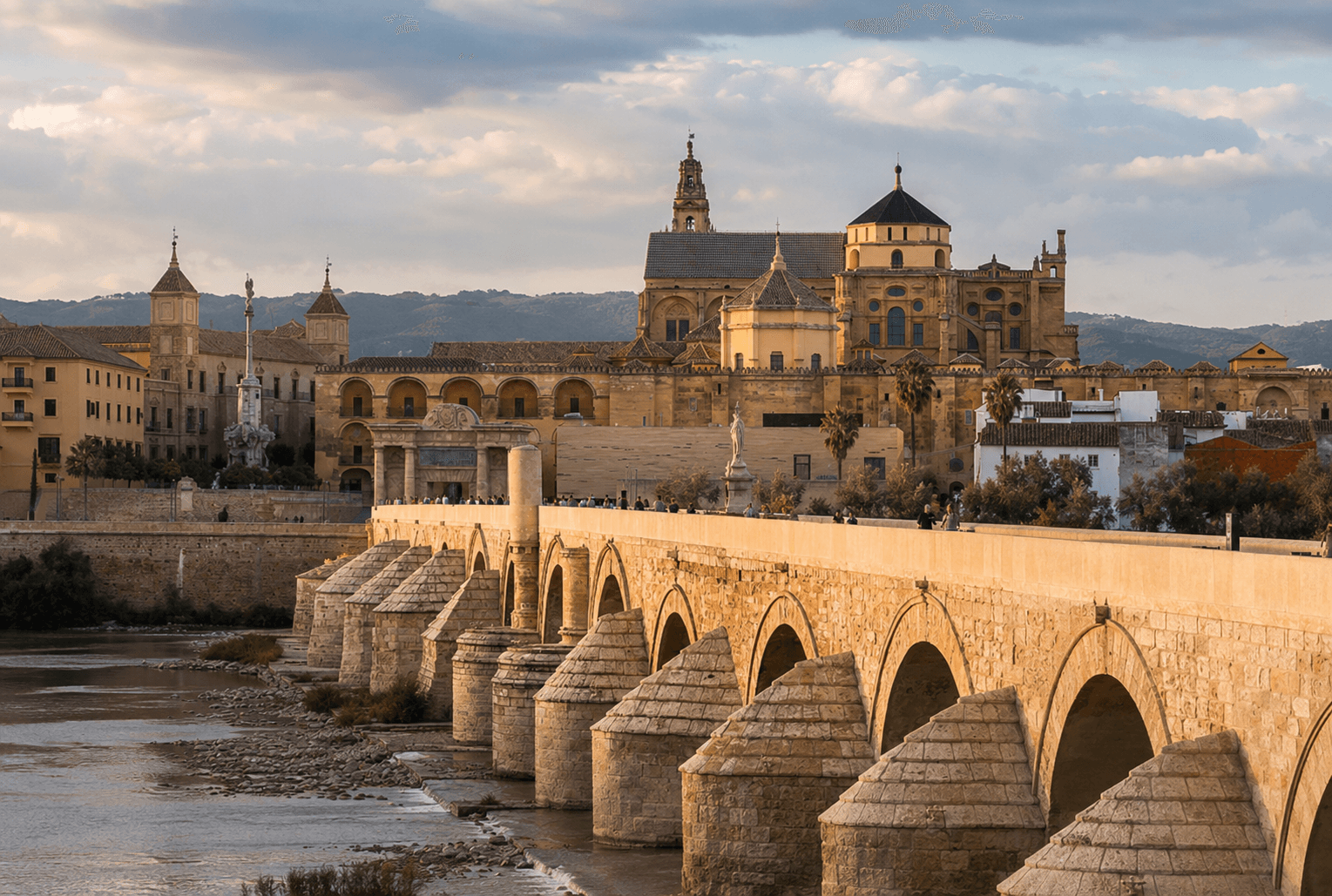
Once the brilliant capital of Islamic al-Andalus, Córdoba became a meeting point for Muslim, Jewish, and Christian traditions. Its mosques, synagogues, palaces, and hidden courtyards reveal a complex story of knowledge, coexistence, rivalry, and transformation that still defines the city today.