Monserrate Palace: Where Kings, Millionaires and Writers Found Inspiration
Long before it became one of Sintra's most beautiful palaces, Monserrate welcomed poets, aristocrats, and visionaries from across Europe. Discover the remarkable story of the estate that inspired Lord Byron, was transformed by a wealthy British collector, and became one of Portugal's greatest Romantic masterpieces.
By Lisbon Gems Tours
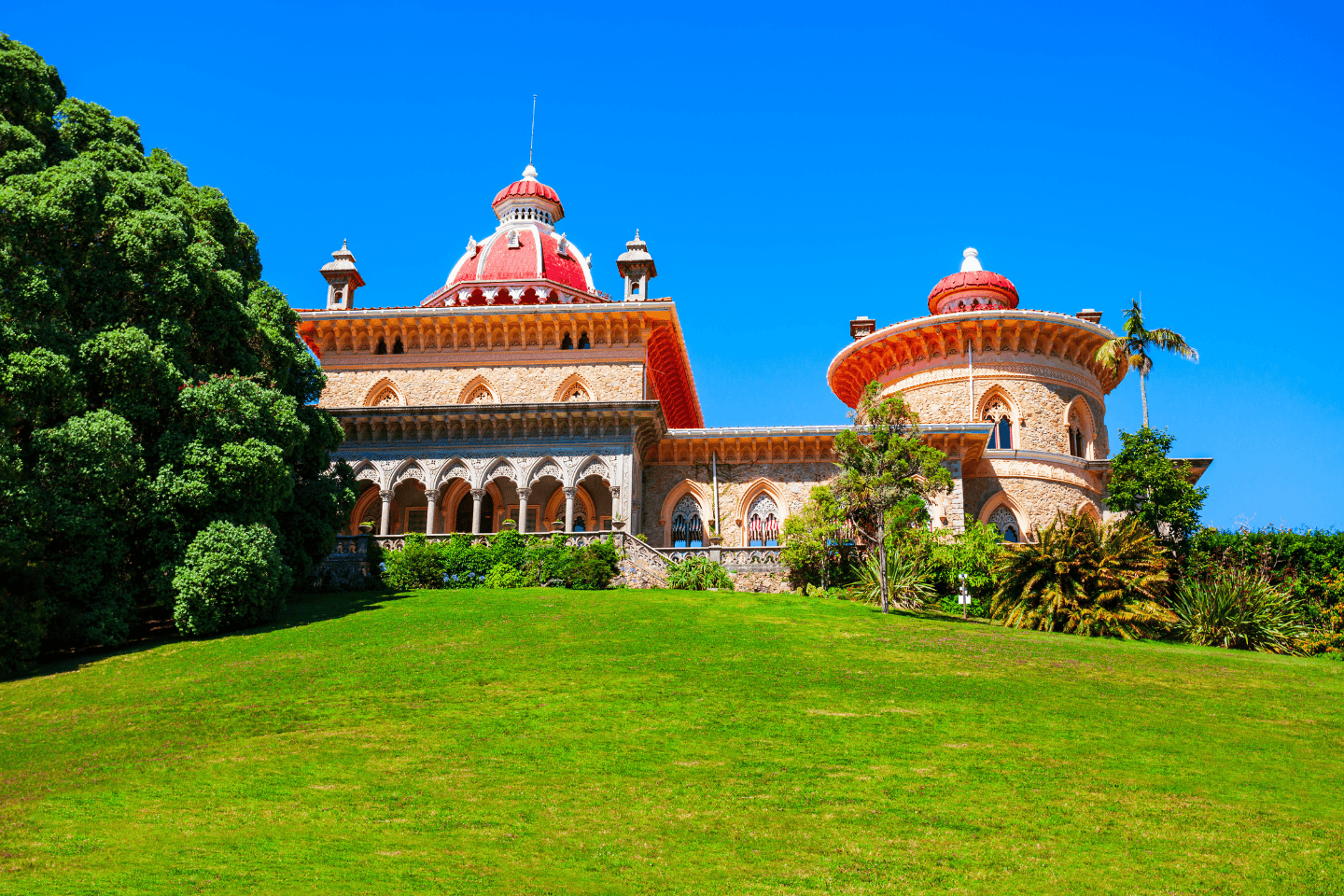
Hidden among the lush forests of Sintra lies one of Portugal's most extraordinary palaces. While most visitors head straight to Pena Palace, those who discover Monserrate often leave believing they have found Sintra's greatest hidden gem.
The story begins in the late 18th century, when English merchant Gerard DeVisme built a Neo-Gothic residence on the site of an ancient chapel. A few decades later, the estate captured the imagination of the famous poet Lord Byron, who described Sintra as a "glorious Eden" in Childe Harold's Pilgrimage. His words introduced the beauty of Sintra to readers across Europe.
In 1856, the estate was purchased by Sir Francis Cook, one of the wealthiest men in Victorian Britain. A passionate art collector and traveller, Cook transformed Monserrate into the spectacular palace we admire today.
Inspired by his journeys through India, the Middle East, and North Africa, he created a masterpiece unlike any other in Portugal. Delicate Islamic arches, Gothic details, Indian motifs, and colourful domes blend seamlessly into one breathtaking design.
Outside, he commissioned one of Europe's finest botanical gardens, importing thousands of plant species from every continent. Giant tree ferns from Australia, Mexican agaves, Himalayan rhododendrons, and rare palms still flourish today, creating a living museum of world botany.
Unlike many royal palaces, Monserrate was never intended to demonstrate political power. It was designed to celebrate beauty, curiosity, and the romance of travel.
Walking through its elegant galleries today, it is easy to understand why artists, writers, and travellers have fallen in love with this magical place for more than 150 years.
Monserrate is more than a palace.
It is a journey around the world, hidden within the forests of Sintra.
Previous article
The Secret Recipe That Has Been Guarded for Nearly 200 Years
Behind every Pastel de Belém lies a remarkable story of monks, royal history, political change, and one of Portugal's best-kept culinary secrets. Discover how a centuries-old recipe survived revolution to become the country's most iconic pastry.
Next article
Carlos Paredes: The Man Who Made the Portuguese Guitar Speak
Carlos Paredes transformed the Portuguese guitar into one of the world's most expressive instruments. Through extraordinary talent, resilience, and a deep love for Portugal, he created music that still echoes through Lisbon's streets, carrying the soul of a nation without ever needing a single word
More from the journal
Other stories you might like
Heritage
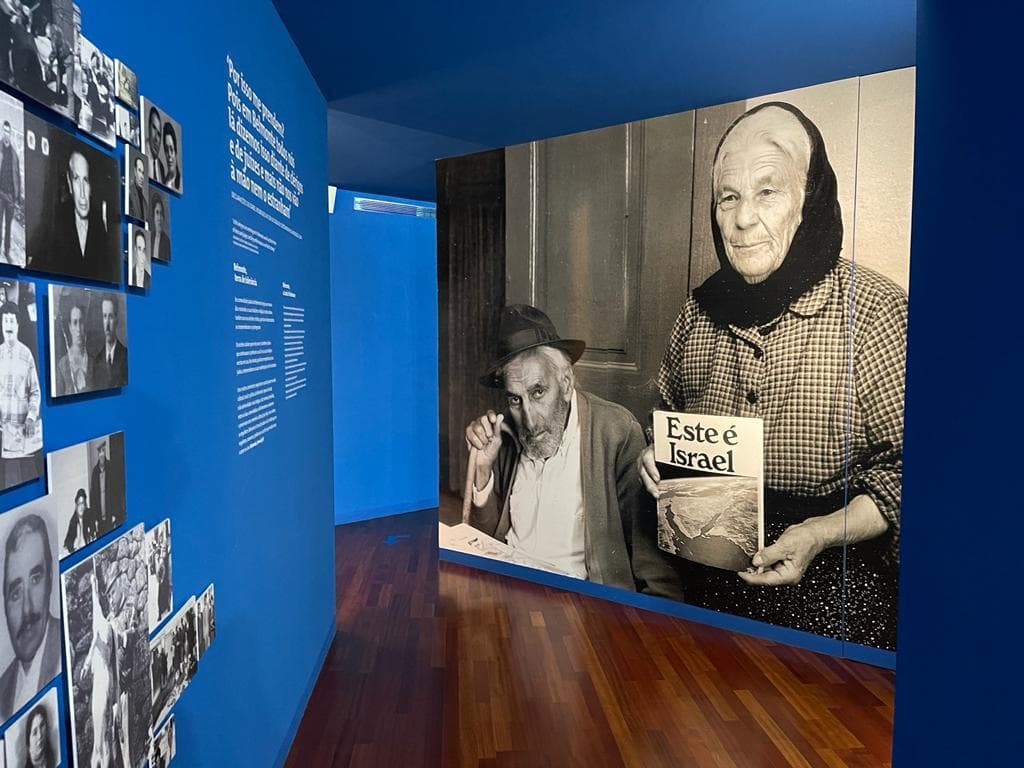
The Hidden Jews of Belmonte: A Faith Preserved in Secret
For almost five centuries, the Jewish families of Belmonte protected their faith behind closed doors. Forced to appear Christian, they preserved prayers, rituals, and identity in secrecy, passing them from one generation to the next. Their survival is one of the most extraordinary chapters of Portugal’s Jewish history.
Family Travel
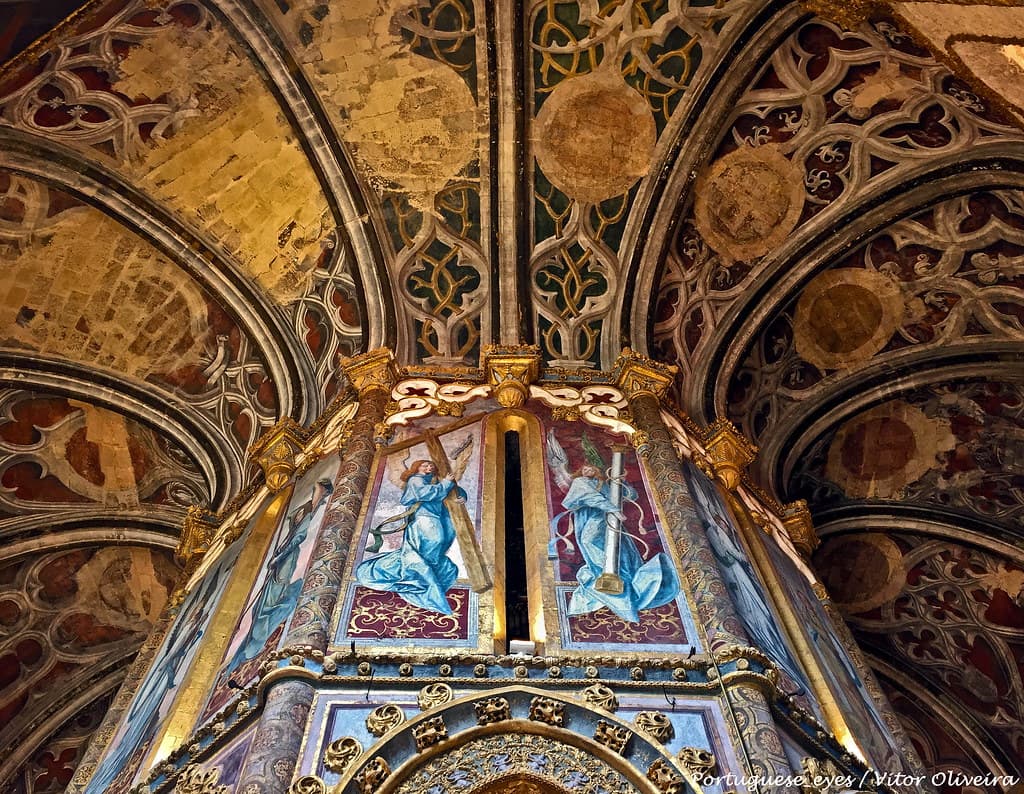
The Knights Who Never Disappeared: How the Templars Survived in Portugal
Across Europe, the Knights Templar were arrested, persecuted, and officially dissolved. In Portugal, however, their story followed a different path. Protected by King Dinis, their legacy was transferred to the Order of Christ and later became connected to the voyages that carried Portugal across the oceans.
Day Journeys
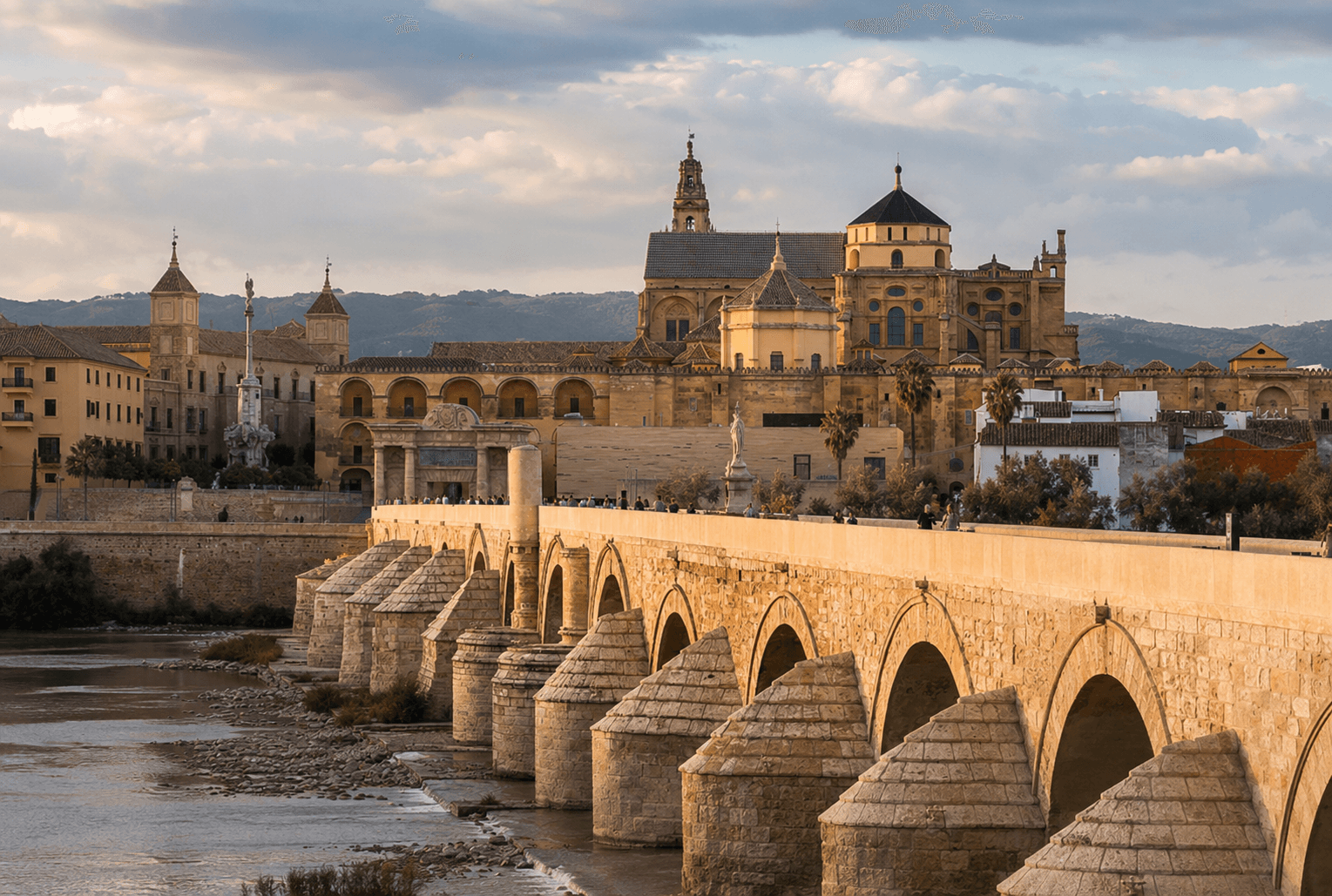
Córdoba: Where Three Faiths Shaped One Extraordinary City
Once the brilliant capital of Islamic al-Andalus, Córdoba became a meeting point for Muslim, Jewish, and Christian traditions. Its mosques, synagogues, palaces, and hidden courtyards reveal a complex story of knowledge, coexistence, rivalry, and transformation that still defines the city today.