The Two O’Clock Sisters of Santiago de Compostela
Every afternoon at two, Maruxa and Coralia Fandiño went for a walk. Santiago remembers their bright dresses and their punctuality. A grocer on their route might have told you another side of the story.
By Lisbon Gems Tours
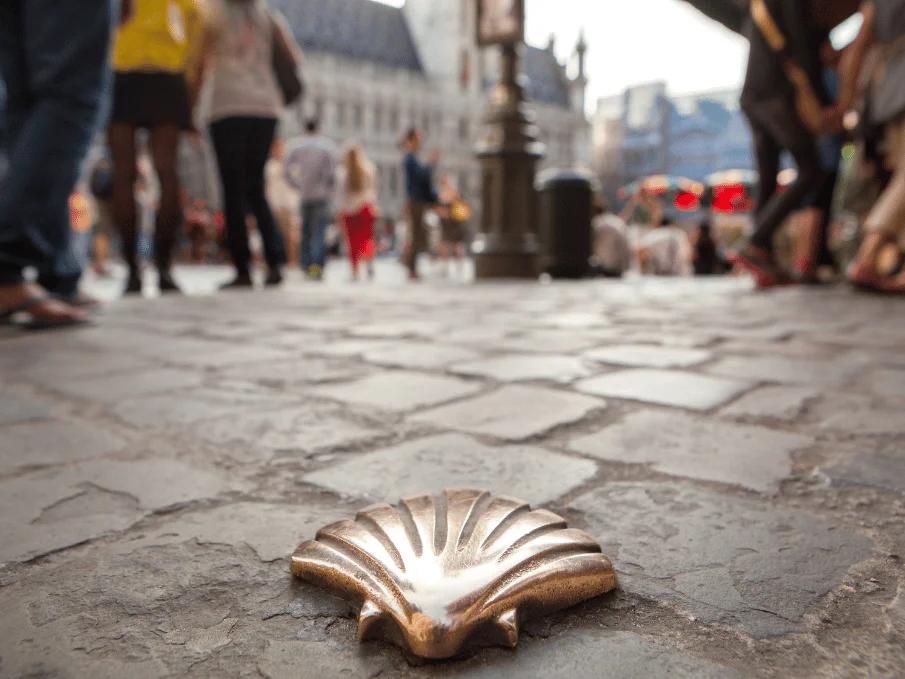
In Santiago de Compostela, two o’clock used to have another meaning. It was the hour when Maruxa and Coralia Fandiño would appear in the old town, dressed in vivid colours, their make-up carefully done, and take their usual walk to the Alameda. People called them Las dos en punto. In English, the nickname loses half the joke. In Spanish, it means both “two o’clock sharp” and, if you have the sisters in mind, “the two of them, right on time.” santiagoturismo.com
The sisters were seamstresses. Their mother had sewn for a living too, and their father was a cobbler. When the Spanish Civil War broke out in 1936, three of their brothers were active in the anarchist movement. The family suffered reprisals and lost its livelihood. Maruxa and Coralia lived with the consequences for the rest of their lives. santiagoturismo.com
One of the people who understood their circumstances was a local grocer. As the story is told in Galicia, he would give the sisters food and explain that the supplier was running a promotion. It was a small courtesy, and a rather ingenious one. They could take something home without having to tell a shopkeeper how little they had. Years later, when a storm tore the roof off their house, their neighbours raised the money to repair it. Tourism of Galicia
If you have walked the Portuguese Camino to Santiago, save one more walk for the afternoon. Leave the old town by Porta Faxeira and head into the Alameda. At the entrance stands César Lombera’s sculpture of the sisters, installed in 1994. Look at their hands. Maruxa reaches out towards the path. Coralia holds her sister’s arm and carries a folded umbrella. The sculptor took the pose from a photograph of the two women together. santiagoturismo.com
Go at two, if you can. It’s a good time to meet them.
Previous article
No earlier article available.
Next article
La recette secrète gardée jalousement depuis près de 200 ans
Derrière chaque Pastel de Belém se cache une histoire remarquable de moines, d'histoire royale, de changements politiques et l'un des secrets culinaires les mieux gardés du Portugal. Découvrez comment une recette séculaire a survécu à la révolution pour devenir la pâtisserie la plus emblématique du pays.
More from the journal
Other stories you might like
Mysticisme & Conte de fées
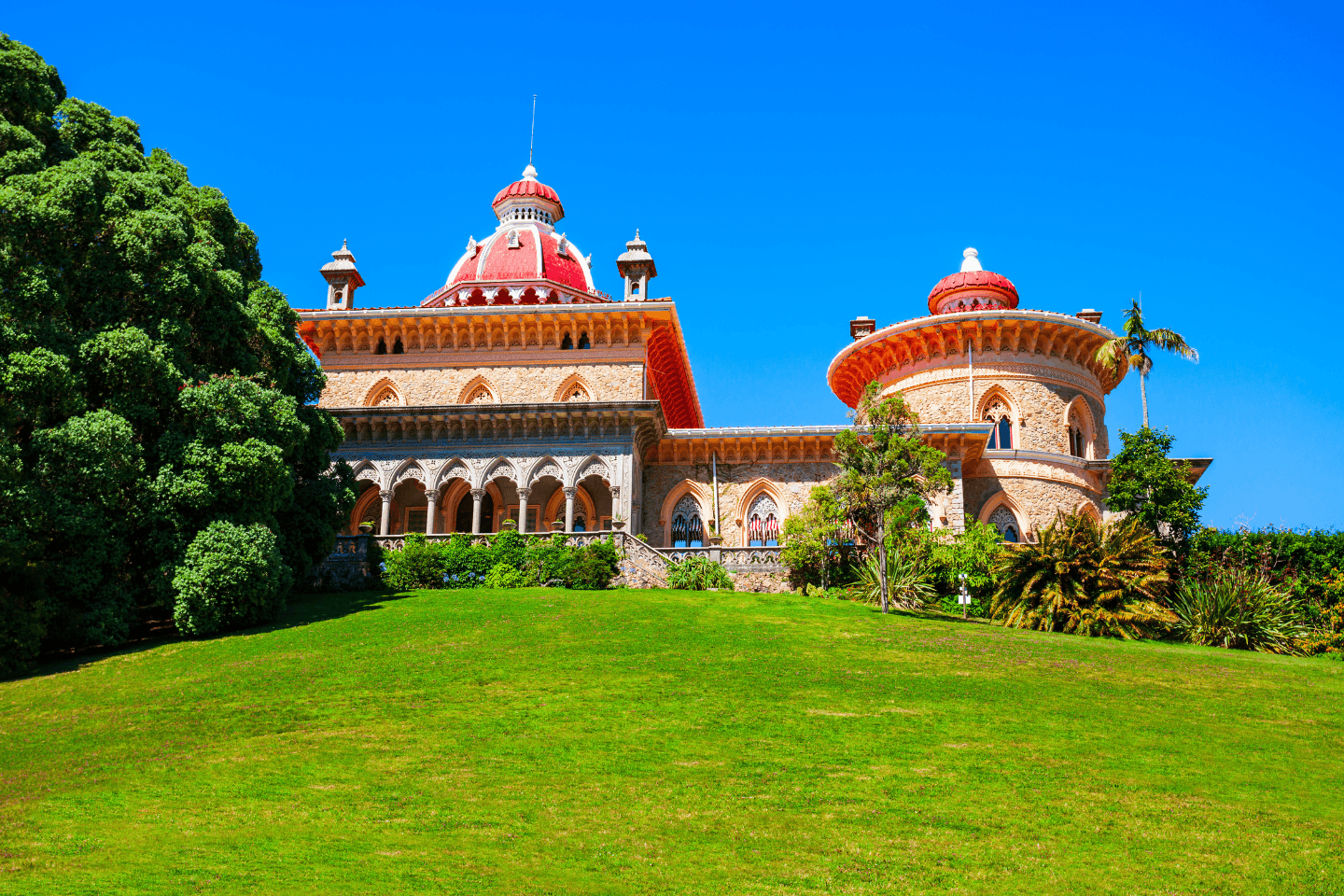
Palais de Monserrate : Là où rois, millionnaires et écrivains ont trouvé l'inspiration
Bien avant de devenir l'un des plus beaux palais de Sintra, Monserrate a accueilli des poètes, des aristocrates et des visionnaires venus de toute l'Europe. Découvrez l'histoire remarquable du domaine qui a inspiré Lord Byron, a été transformé par un riche collectionneur britannique et est devenu l'un des plus grands chefs-d'œuvre romantiques du Portugal.

Notre Âme
Carlos Paredes : L'homme qui a fait parler la guitare portugaise
Carlos Paredes a transformé la guitare portugaise en l'un des instruments les plus expressifs au monde. Grâce à un talent extraordinaire, à sa résilience et à un amour profond du Portugal, il a créé une musique qui résonne encore dans les rues de Lisbonne, portant l'âme d'une nation sans jamais avoir besoin d'un seul mot
Patrimoine
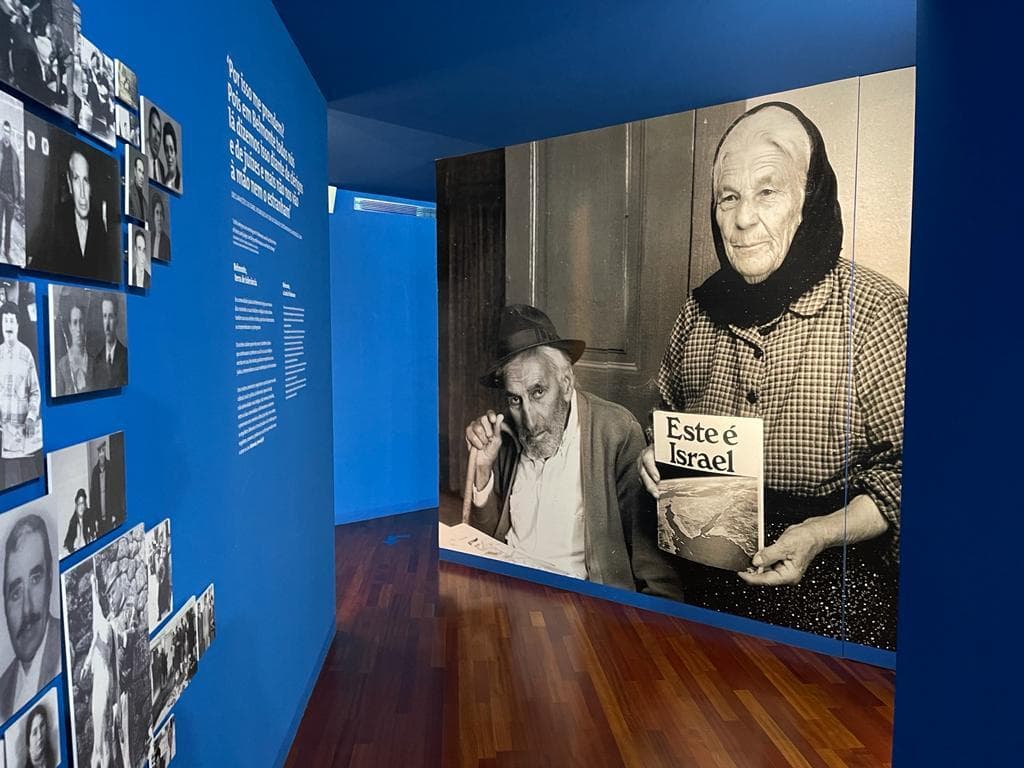
Les Juifs cachés de Belmonte : une foi préservée en secret
Pendant près de cinq siècles, les familles juives de Belmonte ont protégé leur foi à huis clos. Contraintes de se faire passer pour chrétiennes, elles ont préservé en secret leurs prières, leurs rituels et leur identité, les transmettant de génération en génération. Leur survie constitue l'un des chapitres les plus extraordinaires de l'histoire juive du Portugal.