The Two O’Clock Sisters of Santiago de Compostela
Every afternoon at two, Maruxa and Coralia Fandiño went for a walk. Santiago remembers their bright dresses and their punctuality. A grocer on their route might have told you another side of the story.
By Lisbon Gems Tours
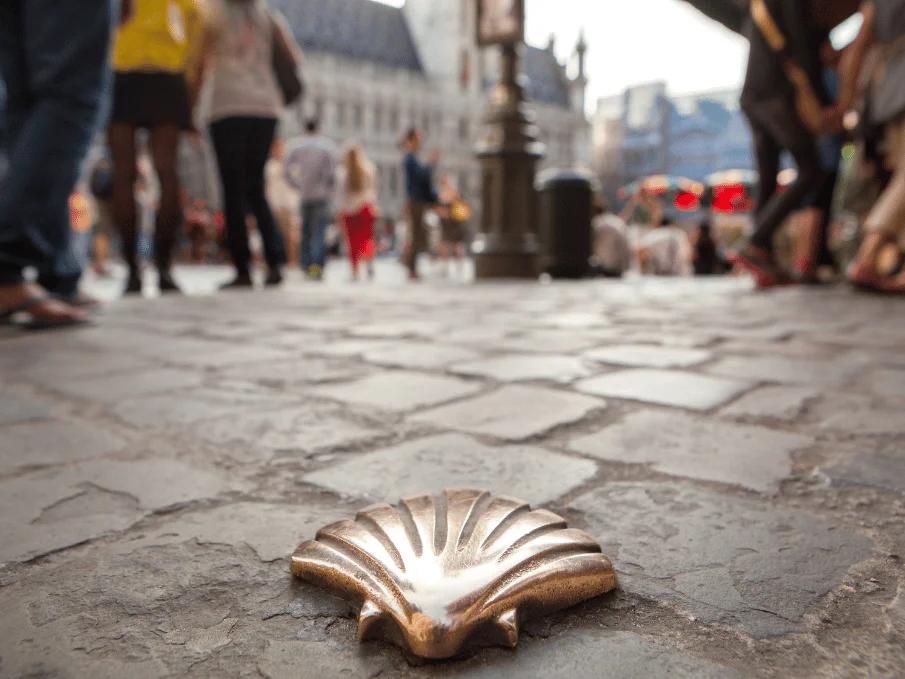
In Santiago de Compostela, two o’clock used to have another meaning. It was the hour when Maruxa and Coralia Fandiño would appear in the old town, dressed in vivid colours, their make-up carefully done, and take their usual walk to the Alameda. People called them Las dos en punto. In English, the nickname loses half the joke. In Spanish, it means both “two o’clock sharp” and, if you have the sisters in mind, “the two of them, right on time.” santiagoturismo.com
The sisters were seamstresses. Their mother had sewn for a living too, and their father was a cobbler. When the Spanish Civil War broke out in 1936, three of their brothers were active in the anarchist movement. The family suffered reprisals and lost its livelihood. Maruxa and Coralia lived with the consequences for the rest of their lives. santiagoturismo.com
One of the people who understood their circumstances was a local grocer. As the story is told in Galicia, he would give the sisters food and explain that the supplier was running a promotion. It was a small courtesy, and a rather ingenious one. They could take something home without having to tell a shopkeeper how little they had. Years later, when a storm tore the roof off their house, their neighbours raised the money to repair it. Tourism of Galicia
If you have walked the Portuguese Camino to Santiago, save one more walk for the afternoon. Leave the old town by Porta Faxeira and head into the Alameda. At the entrance stands César Lombera’s sculpture of the sisters, installed in 1994. Look at their hands. Maruxa reaches out towards the path. Coralia holds her sister’s arm and carries a folded umbrella. The sculptor took the pose from a photograph of the two women together. santiagoturismo.com
Go at two, if you can. It’s a good time to meet them.
Previous article
No earlier article available.
Next article
La receta secreta que ha sido custodiada durante casi 200 años
Detrás de cada Pastel de Belém se esconde una historia notable de monjes, historia real, cambios políticos y uno de los secretos culinarios mejor guardados de Portugal. Descubre cómo una receta centenaria sobrevivió a la revolución para convertirse en la pastelería más icónica del país.
More from the journal
Other stories you might like
Misticismo y cuento de hadas
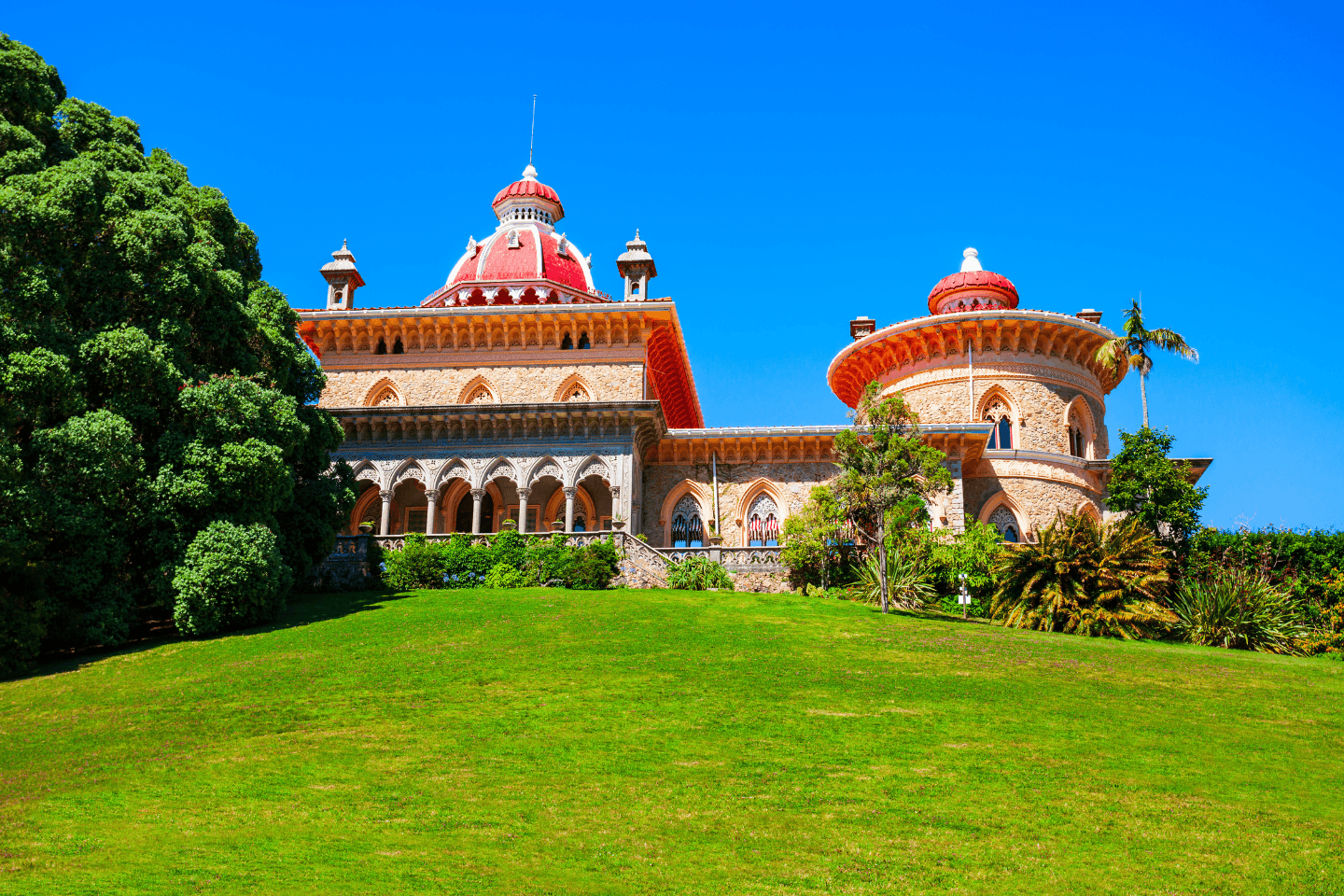
Palacio de Monserrate: donde reyes, millonarios y escritores encontraron inspiración
Mucho antes de convertirse en uno de los palacios más bellos de Sintra, Monserrate acogió a poetas, aristócratas y visionarios de toda Europa. Descubre la extraordinaria historia de la finca que inspiró a Lord Byron, fue transformada por un acaudalado coleccionista británico y se convirtió en una de las mayores obras maestras del Romanticismo de Portugal.

Nuestro Alma
Carlos Paredes: El hombre que hizo hablar a la guitarra portuguesa
Carlos Paredes transformó la guitarra portuguesa en uno de los instrumentos más expresivos del mundo. A través de un talento extraordinario, la resiliencia y un profundo amor por Portugal, creó una música que aún resuena por las calles de Lisboa, llevando el alma de una nación sin necesidad de una sola palabra
Patrimonio
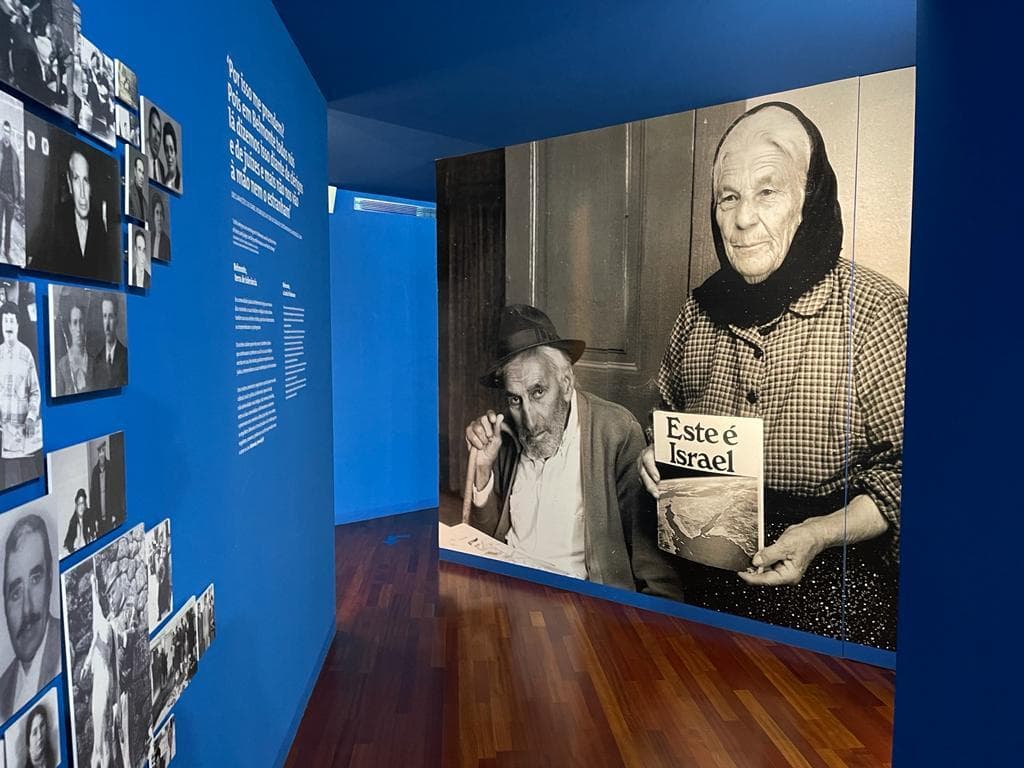
Los judíos ocultos de Belmonte: una fe preservada en secreto
Durante casi cinco siglos, las familias judías de Belmonte protegieron su fe tras puertas cerradas. Obligadas a aparentar ser cristianas, preservaron en secreto sus oraciones, rituales e identidad, transmitiéndolos de generación en generación. Su supervivencia es uno de los capítulos más extraordinarios de la historia judía de Portugal.